Rare Scenes of Wild Florida: OMA Hosts Largest Exhibit of Nat Geo Explorer Carlton Ward Jr.
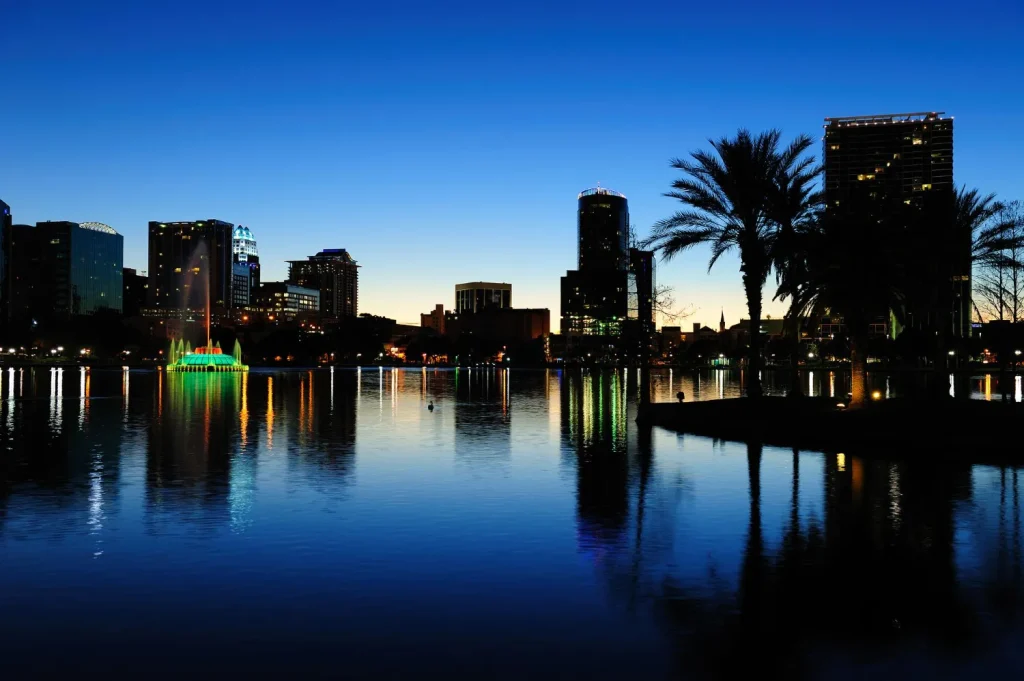
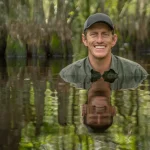
The Orlando Museum of Art has opened perhaps its most important exhibit yet for Florida’s wildlife and connected natural spaces with The Wild Path: Connecting the Florida We Don’t See, Photographs by Carlton Ward Jr.
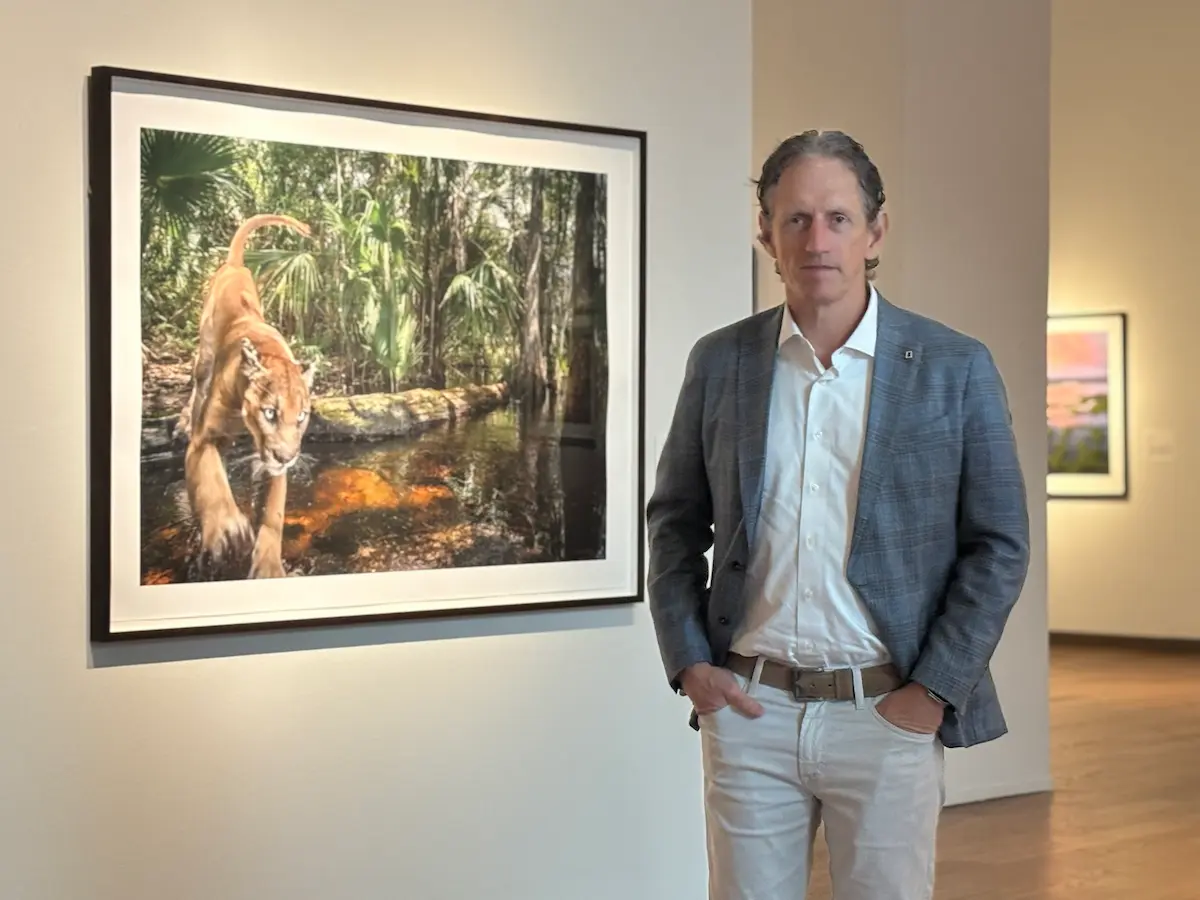
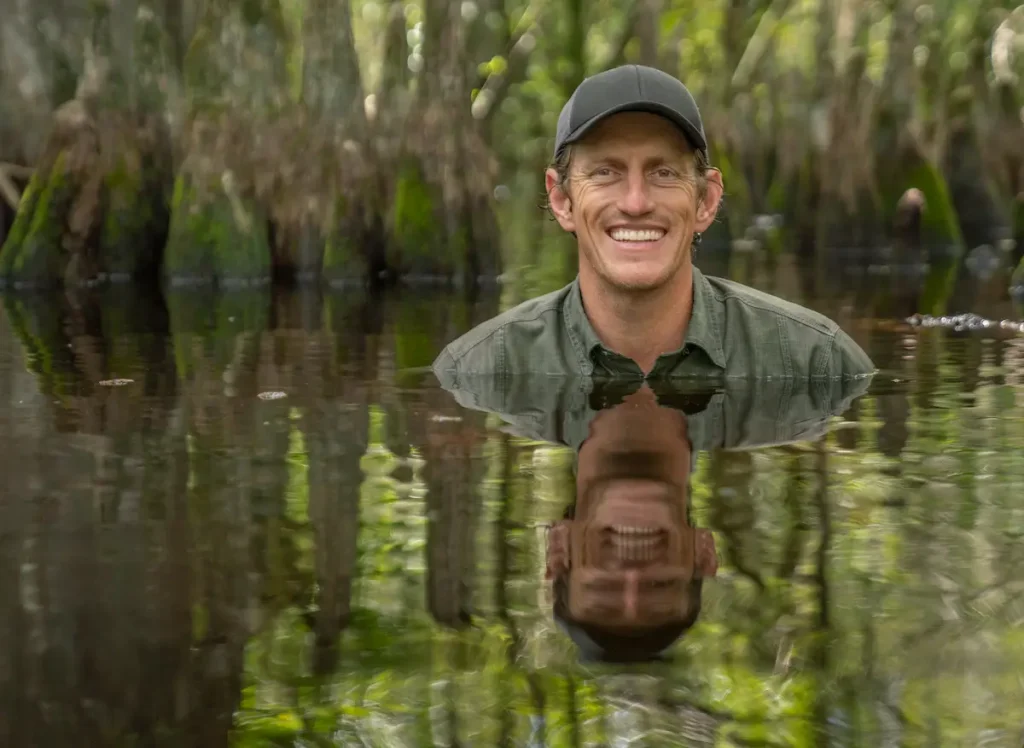
Ward’s largest exhibition to date features nearly 70 stunning photographs of a rarely seen native Florida: from swamps, winding rivers, and crystal springs to panthers, bears, and real Florida cowboys. As we walked through OMA’s media preview, Ward said even he hadn’t seen so many of his works together in one exhibit before.
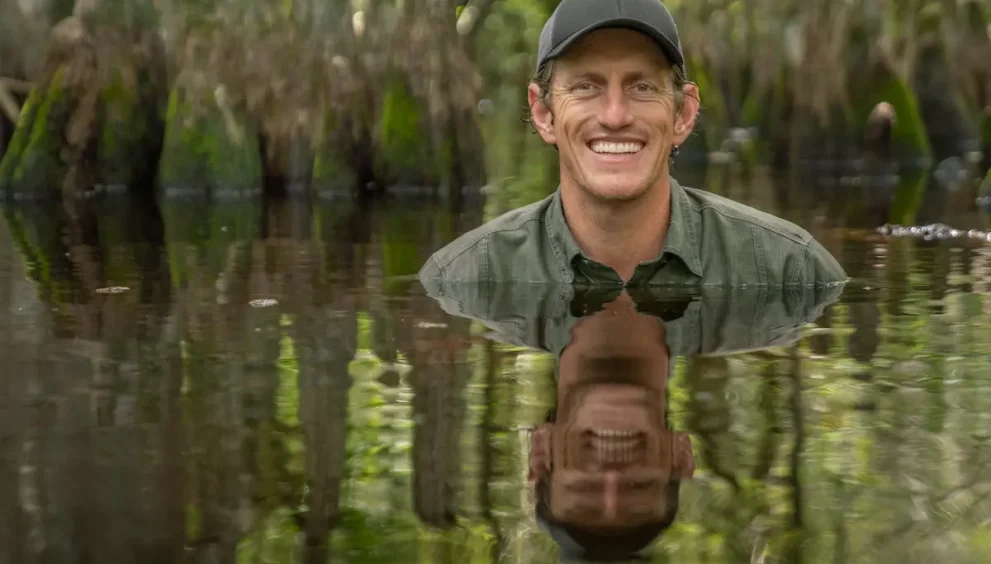
Yet, Ward’s breathtaking photos are windows into a much larger story. This eighth-generation Floridian and National Geographic Explorer has become one of the most effective advocates for conserving natural Florida lands.
In 2010, Ward co-founded the Florida Wildlife Corridor project. In the years that followed, he trekked 2,000 miles across the state to advocate for the corridor’s protection. Those journeys were chronicled in several books and documentaries, including Path of the Panther, screening at OMA on October 15.
How the Nat Geo Explorer Turned Florida Conservationist
Until a couple of decades ago, Ward was a National Geographic conservation photographer covering Central Africa. But every time he came home to the Gulf Coast, he noticed that acres of the Florida he loved were being converted into golf courses, subdivisions, and shopping malls.
In 2005, Ward started photographing cattle ranches like the ones he grew up with. He wanted to document and share this Florida before it was all gone. Beyond preserving ranching heritage, Ward’s photography captured what scientists had been saying: the survival of Florida’s native and endemic species, including the Florida black bear and the Florida panther, depends on conserving large, connected stretches of wild lands.
Telling Wild Florida’s Story to Get Results
Ward saw that decades of scientific discussions about the importance of connected landscapes were not reaching the public and decision-makers and thought there had to be a better way to tell Florida’s story. “My contribution to that was suggesting that we name it Florida Wildlife Corridor so that more people will have a clear picture of what we’re talking about,” he said.
Ward’s contributions continued as he helped visually document Florida’s network of forests, rivers, ranches, and farms connecting the Everglades to the Georgia and Alabama borders, where wildlife can safely roam and people can hike, paddle, and thrive. The result was the Florida Wildlife Corridor story, told in documentaries, books, and photos, including many of those currently displayed at OMA.
His vision worked. In 2021, the Florida Legislature unanimously passed the Florida Wildlife Corridor Act, directing the Florida Department of Environmental Protection to promote and invest in the preservation of the 18 million acres of interconnected green spaces, working lands, and waters. Since then, Ward says, 500,000 acres of land have been protected through acquisition or conservation easements, which are legal agreements through which private landowners can voluntarily sell or donate development rights to the state or a land trust to protect the property’s natural or agricultural state forever.
“It is often up to policy to help guide the protection of these landscapes,” Ward said. “The most enduring policies are incentive-based… Things like buying land and investing in conservation easements are a pretty universal solution that there can be public support for.”
Investing in programs to buy and protect land is also the best way to steer development away from Florida’s most fragile places, according to Ward. By building up into appropriately dense urban cores, instead of out into urban sprawl, he believes that Florida can keep its food production lands, wild places, and watersheds more connected as a wildlife corridor.
“The images are almost vehicles to me, rather than end results,” Ward said, adding that his team at Wildpath has taken up the mission of photographing every property that the state considers for protection in the Florida Wildlife Corridor. “So yes, I love the picture that I took of that place, but I love the fact that…five generations of people will have the chance to photograph that same place.”
Patience Pays But Time is Short
Ward’s cameras cover everything from sweeping aerial views to underwater seascapes. He developed techniques and adapted hardware for long stretches of time in Florida’s roughest environments. Remotely triggered cameras allowed him to capture wild Florida in areas that are nearly uninhabitable by humans. Getting these shots required him to rig protective camera housing, wade through rivers and swamps, imagine the path animals would travel, and secure cameras throughout natural spaces.
Two televisions rotate photos taken at the same location over time, showing just how much these thoroughfares are used by various animals—birds, raccoons, bears, panthers, and alligators—through seasonal changes.
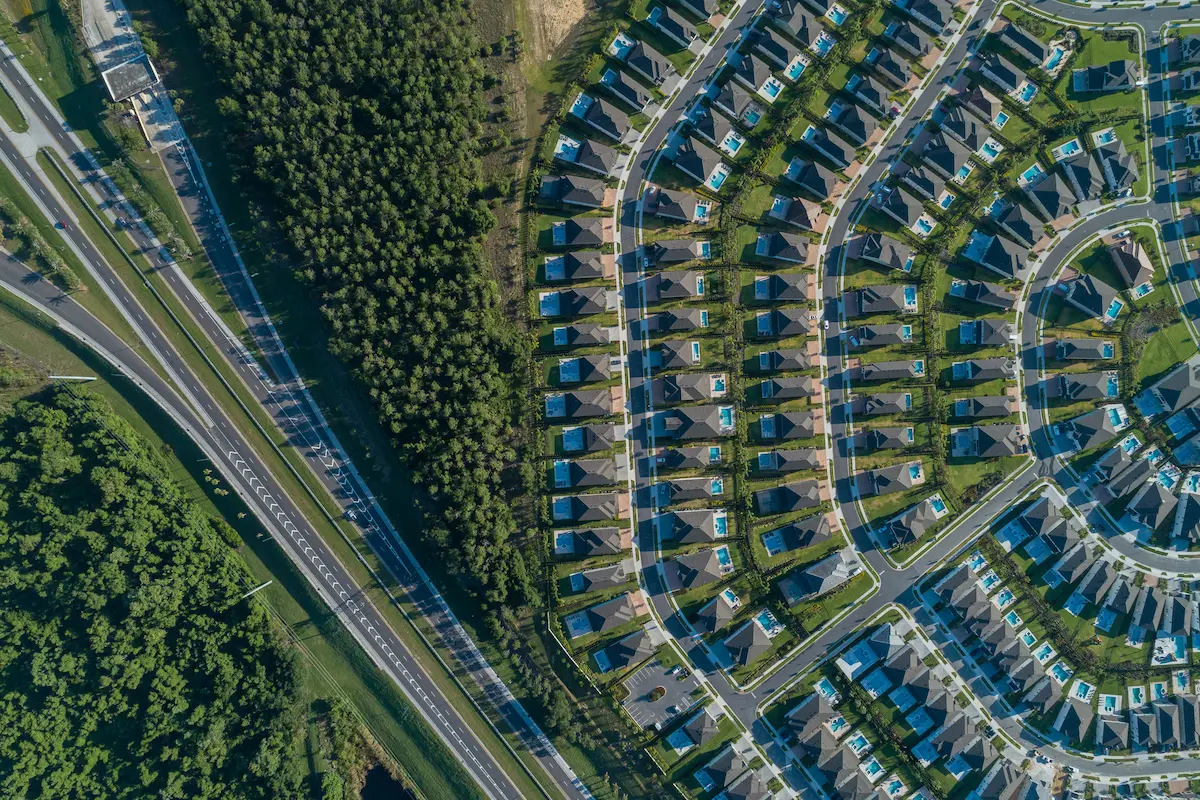
The OMA exhibit reveals the corridor’s vital importance but also its vulnerability. In the photo Encroachment, we get a bird’s-eye view of a new housing development on the periphery of Orlando, impinging on historic panther habitat. With nearly a thousand people moving to Florida every day, the exhibit notes say, new construction will consume more than 500,000 acres of the Florida Wildlife Corridor by 2030, far outpacing the current rate of land conservation.
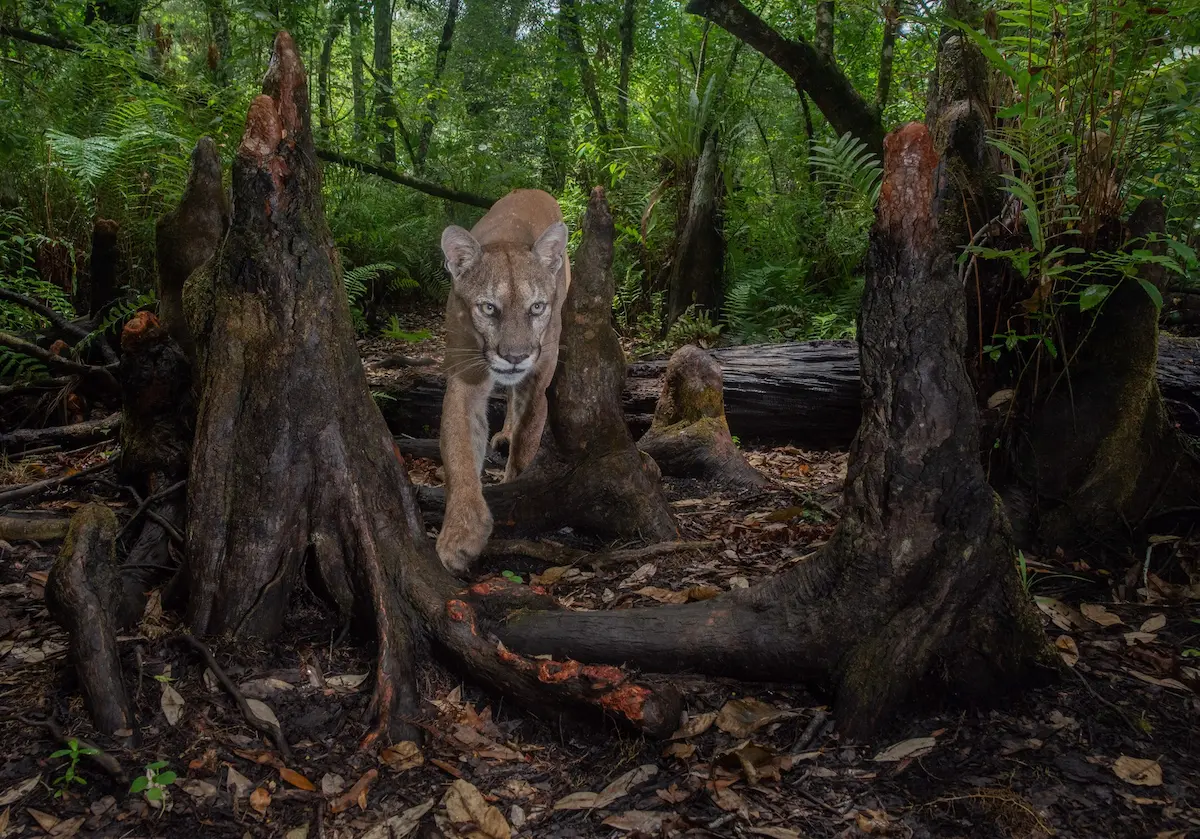
The photo Realm of the Panther captures a panther in the Florida Everglades walking toward the camera, an iconic shot that took Ward five years to get, partly because the swamp is underwater most of the time. The swampy Everglades has become one of the few safe, accessible places for Florida panthers, but the Path of the Panther documentary offers hope that a connected corridor can change that for the better.
Developing Storytellers Across the Globe
While Ward’s photography, storytelling, and policy advocacy have required extraordinary patience, he also feels the pressure to advance land conservation amid aggressive population growth.
“It’s a tricky thing because, you know, Florida and the planet don’t have time to do these things slowly, so we do have to find ways to accelerate the impact,” Ward said.
The success of the Florida Wildlife Corridor has fueled his sense of responsibility to continue doing the work and to expand the idea. While he has already begun a project to showcase the Florida Wildlife Corridor from Tarpon Springs to Tallahassee, he has also recently launched the Connected Planet initiative with the National Geographic Society, pairing Nat Geo storytellers with conservation organizations worldwide to essentially build an army of wildlife corridor protectors.
“More often than not, the science is there, and what’s missing is the storytelling and the public will to save a place,” Ward said. “No matter who you vote for or where you live, people care about wildlife.”
The Wild Path: Connecting the Florida We Don’t See, Photographs by Carlton Ward Jr., will be on display until January 3, 2027, at Orlando Museum of Art, 2416 N. Mills Avenue, Orlando, FL 32803. Several special events are planned in October.
Don’t Just Read It. Live It.
Get the latest stories, rankings, and culture from Pulp City delivered straight to your inbox.
Author
-
Lauressa Nelson is an Orlando native and a writer, editor, and marketing/comms professional who loves celebrating the city's unique history and diverse culture by discovering misfit toys and next-best things. She has contributed to and edited books translated into more than 30 languages, edited a nationally franchised magazine, and promoted some of the city's best companies.
English