Keeping Goldsboro Alive
Although Goldsboro lost its charter in 1911, the institutions its residents built proved more durable than the town’s political boundaries. Churches, schools, civic organizations, and families continued carrying the community’s identity forward through segregation, economic change, and the steady growth of Sanford.
Like many Black communities of the era, Goldsboro’s churches became more than places of worship. They served as gathering places, sources of mutual aid, keepers of local history, and spaces where community ties could be maintained across generations. As Sanford expanded around them, these institutions helped preserve a sense of identity in a community that had lost its political independence.
Education also remained central to that effort. Established in 1926, Crooms Academy became an important institution for Black students during segregation and continues serving the community today as Crooms Academy of Information Technology. Alongside historic congregations such as First Shiloh Missionary Baptist Church and Allen Chapel AME Church, institutions like Crooms helped preserve a sense of identity and belonging for generations of residents.
A Haven in the Jim Crow South
As segregation tightened its grip across the South, communities like Goldsboro served a purpose that extended far beyond their municipal boundaries. For Black travelers, entertainers, athletes, and working families, places like Goldsboro provided something that could not always be found elsewhere: safety, community, and opportunity. Black-owned businesses, churches, schools, and social organizations created networks of support during an era when discrimination shaped nearly every aspect of public life.
That role became especially important as Sanford grew. Goldsboro’s residents and businesses helped create spaces where Black visitors could gather, rest, worship, and build connections.
Among the most notable figures connected to that history was Jackie Robinson. In 1946, Robinson arrived in Sanford for spring training with the Montreal Royals, the Triple-A affiliate of the Brooklyn Dodgers. His presence generated intense hostility from some white residents, and threats against Robinson ultimately forced him to leave the area for his own safety.
During an era when many hotels, restaurants, and public spaces remained closed to Black visitors, communities like Goldsboro provided refuge. The neighborhood’s churches, businesses, and residents helped create an environment where Black athletes and travelers could find support in a segregated South.
Reclaiming a Legacy
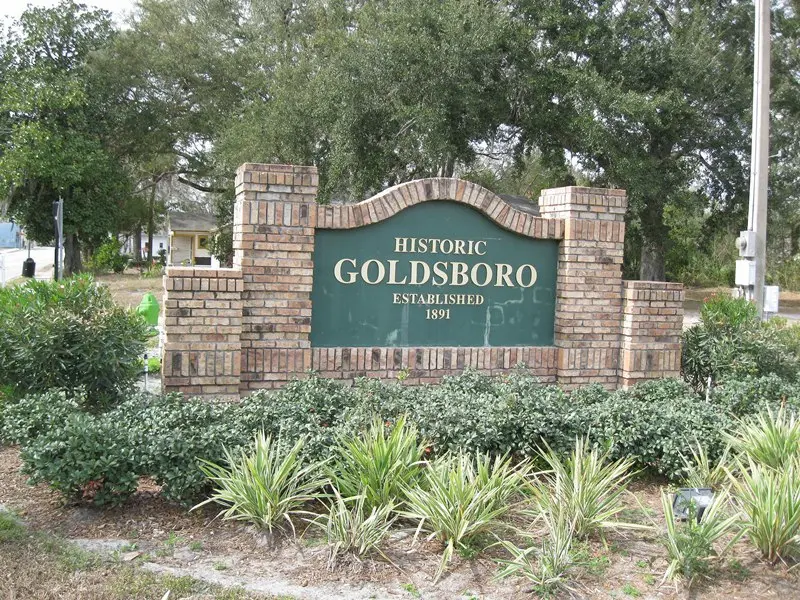
More than a century after Goldsboro lost its charter, efforts to preserve and restore the community’s history continue. Some of the clearest evidence can still be found on the street signs.
In 2012, West 13th Street was officially renamed Historic Goldsboro Boulevard, restoring the community’s name to one of its most prominent corridors. The following year, Lake Avenue was renamed William Clark Avenue, returning the founder’s name to the community he helped build more than a century earlier.
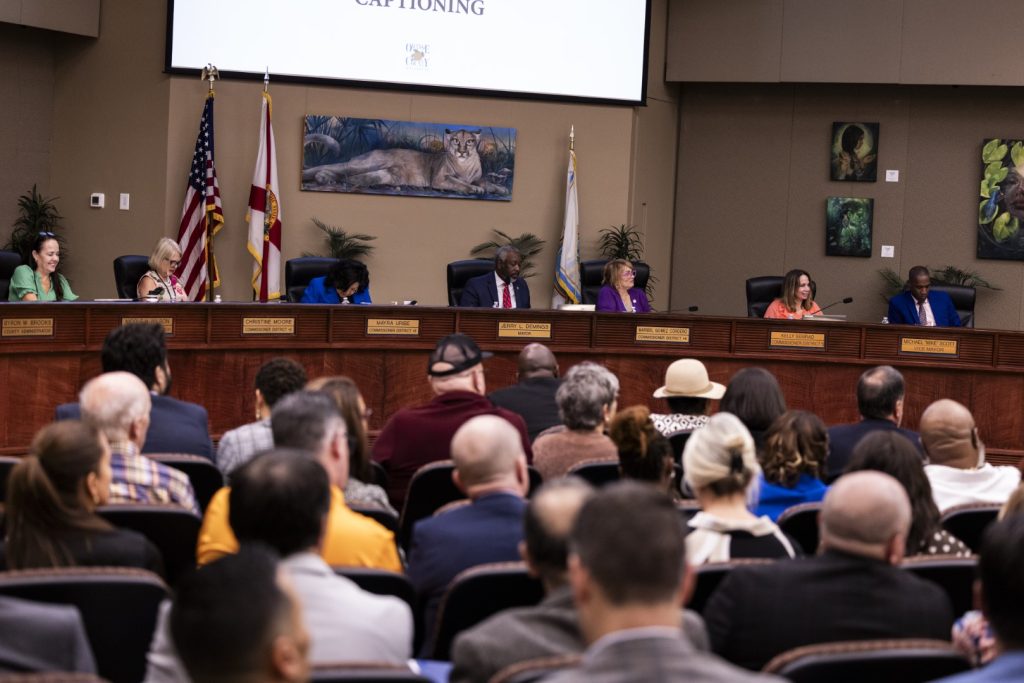
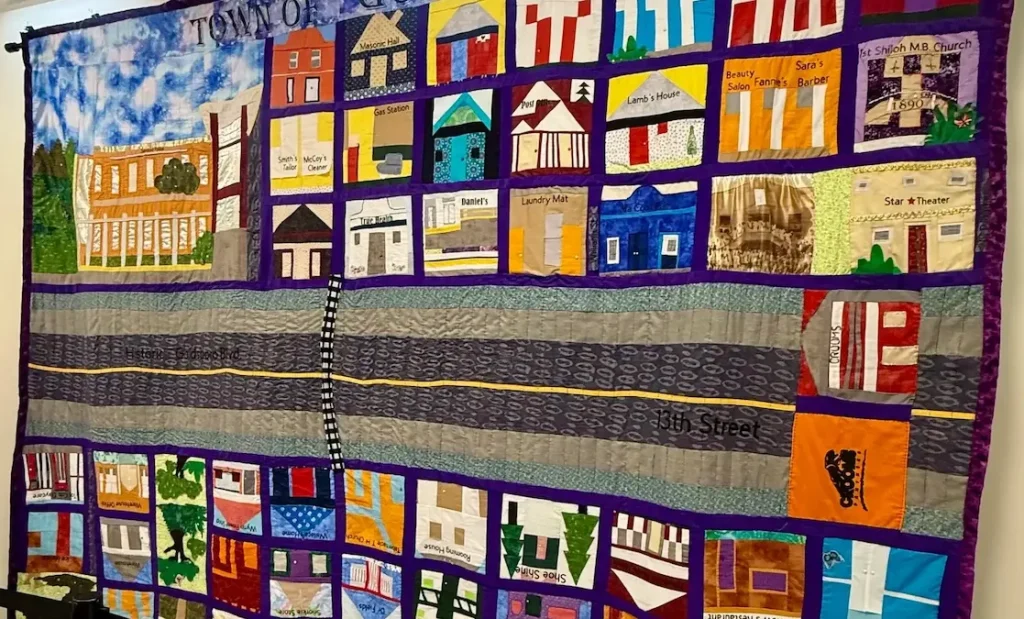
The effort to reclaim Goldsboro’s history reached another milestone on Feb. 9, 2026, when the City of Sanford proclaimed Historic Goldsboro Day as part of its Pathways to Reconciliation initiative. The event included the unveiling of the Historic Goldsboro Commemorative Quilt, a community-created work honoring the families, institutions, and stories that shaped the town. The quilt now hangs in Sanford City Hall as a permanent reminder of Goldsboro’s place in the region’s history.
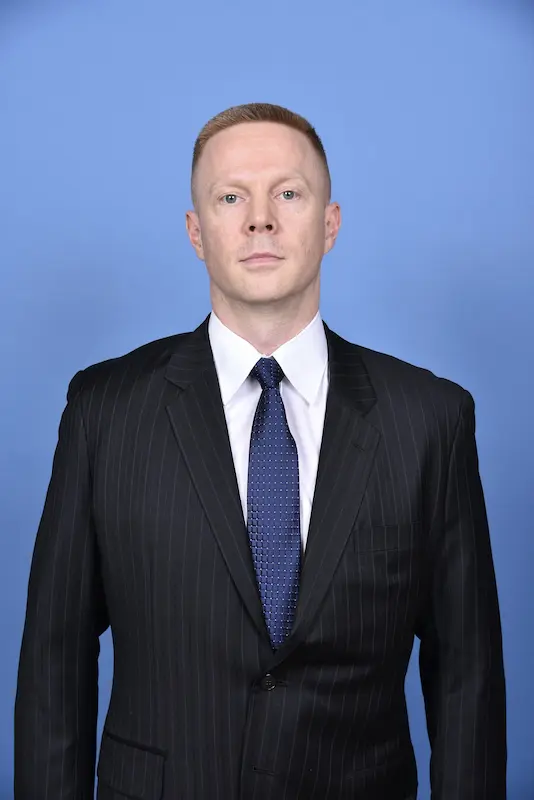
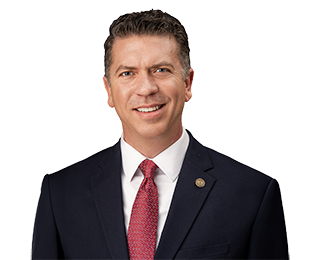
The ceremony also produced a moment few could have imagined more than a century earlier. While researching his own family history, Sanford Mayor Art Woodruff discovered that his great-grandfather, D.L. Thrasher, served as mayor of Sanford in 1911 when the city petitioned the state to revoke Goldsboro’s charter.
Speaking during the ceremony, Woodruff reflected on the unlikely convergence of history and circumstance. “My family’s been in Sanford for a very long time,” Woodruff said. “I discovered that another great-grandfather of mine, D.L. Thrasher, had also been mayor of Sanford, and I discovered that he was the mayor of Sanford in 1911 when the city passed the resolution asking the state to revoke the charter of Goldsboro. … I thought, what are the odds that descendants of the founder of the city and the descendant of one of the people who worked to get the charter revoked are going to be at the same place at the same time, 100 years later?”
Among those in attendance were descendants of William Clark.
For Barbara Coleman-Foster, co-chair of Sanford’s Race, Equality, Equity and Inclusion Committee, the moment carried profound significance.
“I don’t know if you all really understand the significance of having Mayor Woodruff, whose great-grandfather was instrumental in revoking the charter of Goldsboro, present with the descendants of Mr. William Clarke, here to recognize the commemorative Goldsboro quilt,” she said.
More than 135 years after its incorporation, Goldsboro remains a living part of Central Florida’s story. Its municipal government is gone. Its original boundaries no longer exist. Yet many of the institutions, families, and traditions that shaped the town continue to endure. From the congregations that preserved its identity to the schools that educated its children, Goldsboro survived long after its charter was revoked.
As Central Florida commemorates Juneteenth, Goldsboro offers a powerful reminder that emancipation was not the end of the struggle for self-determination. The community’s history reflects both what was gained and how quickly those gains could come under threat.
More than a century after losing its charter, Goldsboro remains because the people who built it, sustained it, and inherited its legacy refused to let its story disappear.
 English