



Remembering Michael Sears, the Gifford Artist Who Carried the Highwaymen Tradition Forward
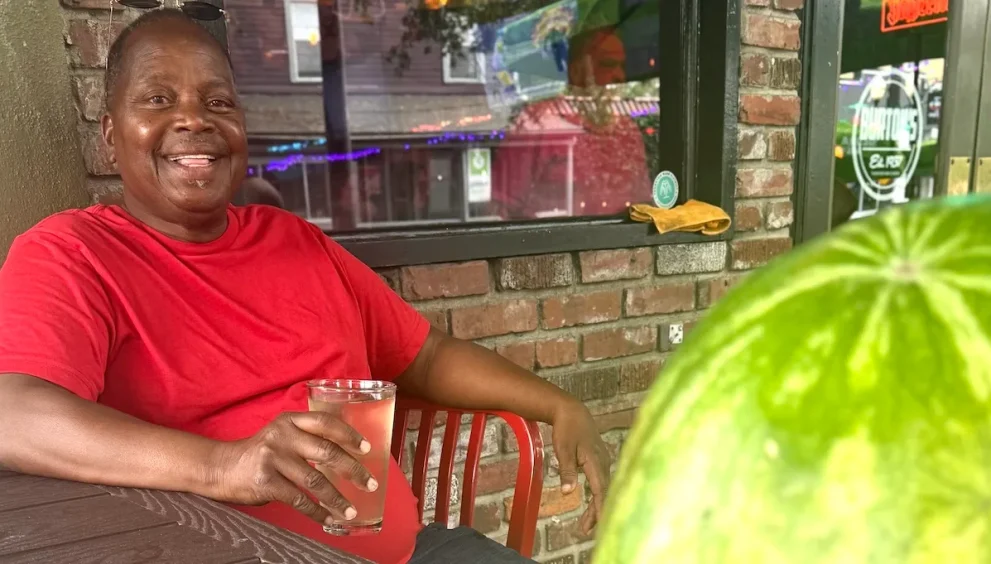
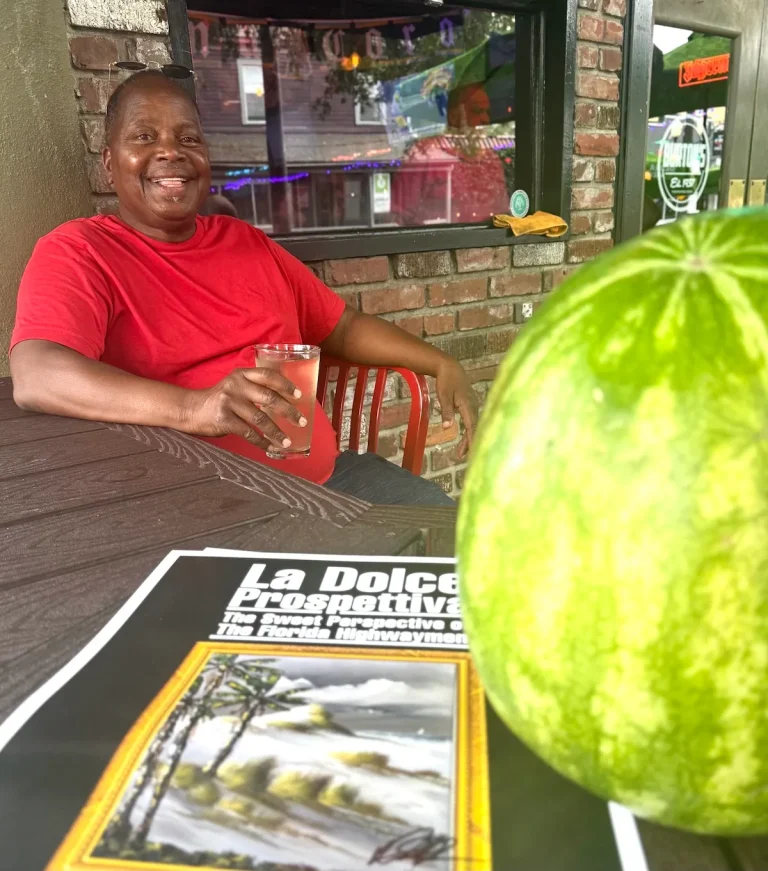
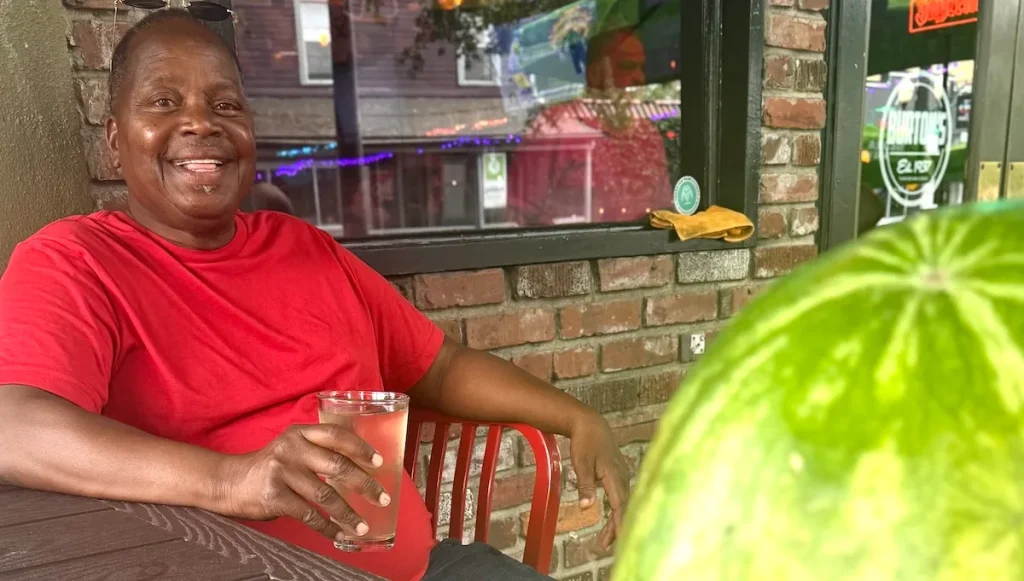
I left Burton’s, a neighborhood bar in Thornton Park, with a signed poster, an invitation to Gifford, and one of the sweetest watermelons I’ve ever had in my life.
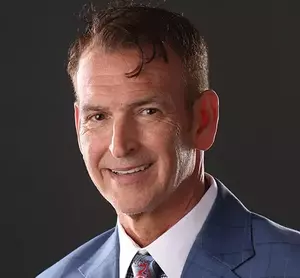
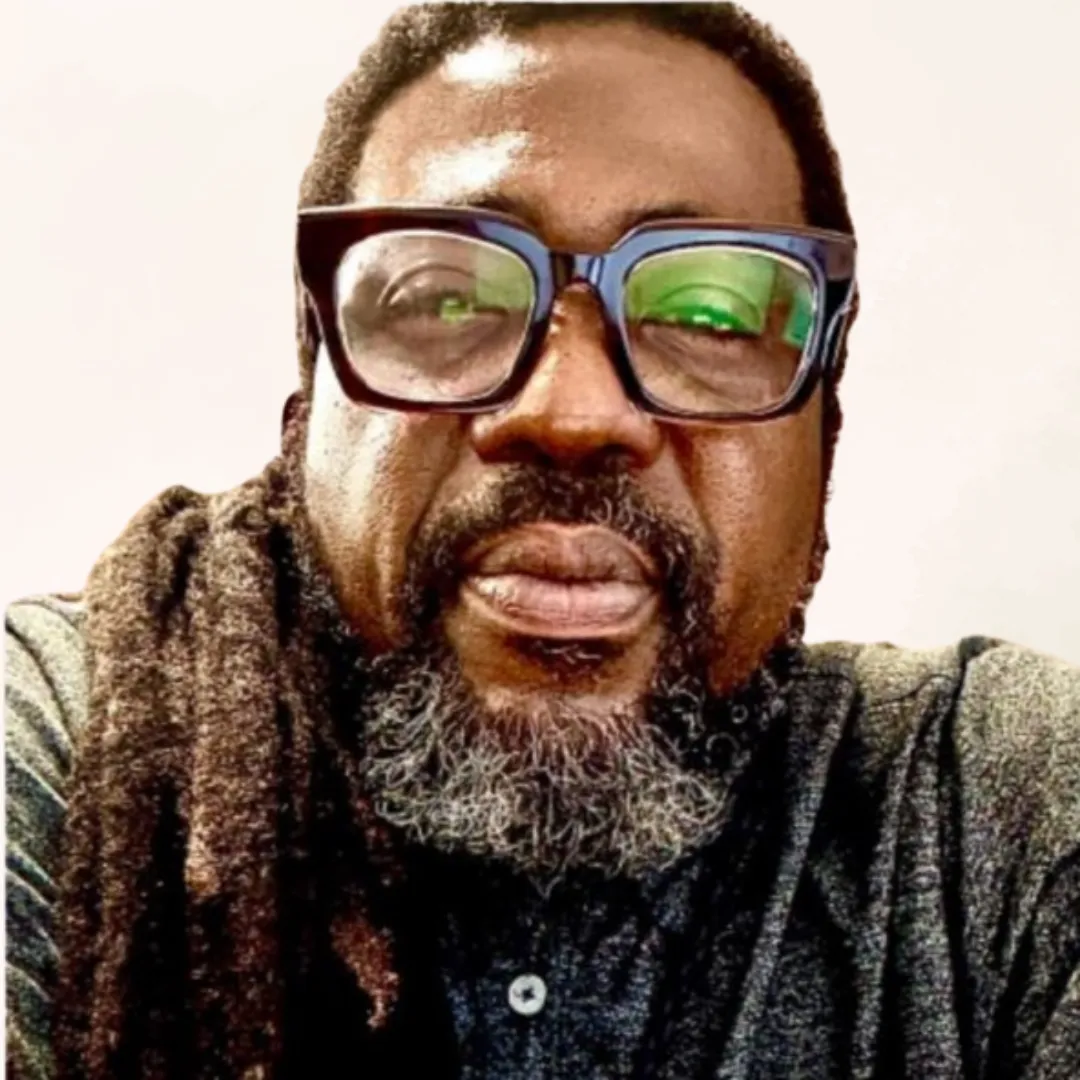
At the time I had no idea the man who handed them to me — Michael Sears, whom I had just met selling watermelon outside Burton’s in Thornton Park — was introducing me to one of the most important stories in Florida art history.
We ended up talking for hours.
Mr. Sears told me he was a fourth-generation watermelon man, a legacy in its own right — especially given the complicated history of watermelon and Black farmers in the American South. But he didn’t linger on that long. The conversation quickly shifted to something he really wanted people to understand.
His art.
That afternoon he told me about a documentary he had made called La Dolce Prospettiva, a film about the story of the Florida Highwaymen.
Until that moment, I knew nothing about the Highwaymen — or how important they were to Florida’s cultural history.
He said the title of the film with pride as he signed the poster and handed it to me along with the watermelon.
Then he invited me to Gifford.
“Come out sometime,” he said. “I’ll show you where it started.”
By then I understood that Mr. Sears wasn’t just telling the story of the Highwaymen — he was an artist who carried that tradition forward through his own paintings.
We initially planned to meet again at an art festival in Vero Beach. But those plans changed when he invited us to join him instead at a fish fry in Gifford.
Part of the plan was to see the watermelon fields where his family had been growing fruit for generations. Mr. Sears was proud of that legacy, and I was curious to learn more about it. But by the time we were able to schedule the visit, the season had already passed.
Even so, the story he most wanted to tell was about the art — and the importance of the tradition it carried.
Not long after, we made the drive to Gifford, the small community just north of Vero Beach where the Highwaymen story began.
When we arrived, we found Mr. Sears exactly where you might expect a community fixture to be — standing beside a roadside fish fry with friends, the smell of frying fish drifting through the air.
His paintings were propped up along the nearby tables.
Neighbors stopped to talk. Visitors looked through the artwork. Even local police officers pulled over to grab fish sandwiches and say hello. Mr. Sears moved easily among the crowd, greeting neighbors and friends as they stopped by the fish fry — a familiar presence in a place that clearly knew him well. He wasn’t simply an artist in town, he was part of its very rhythm. At one point I even found myself helping out — lighting the fire and making sure that the oil was just right.
From there we spent the afternoon driving through Gifford while he narrated its history from memory, pointing out neighborhoods, families, and landmarks that shaped the community.
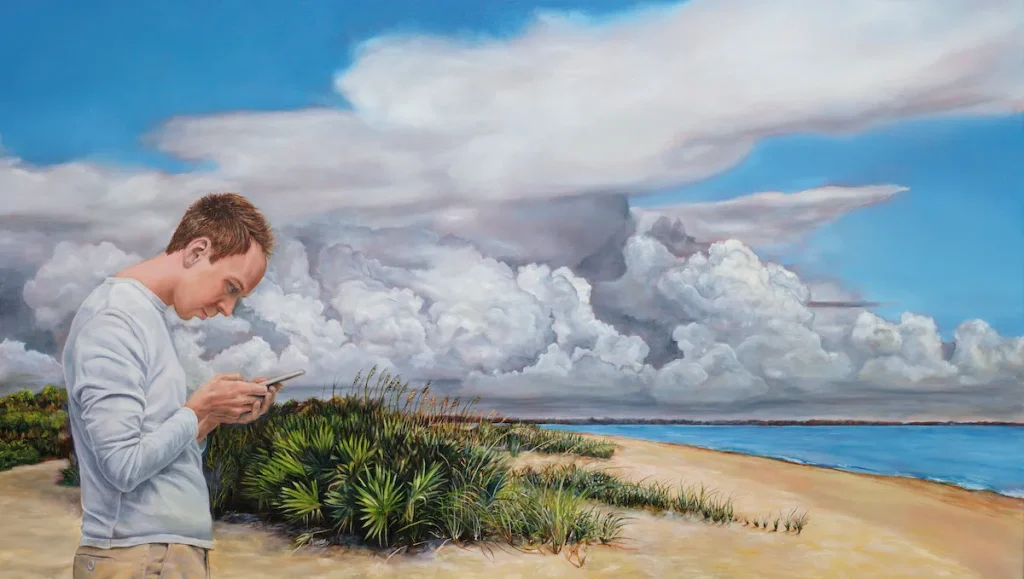
His pride in Gifford was unmistakable.
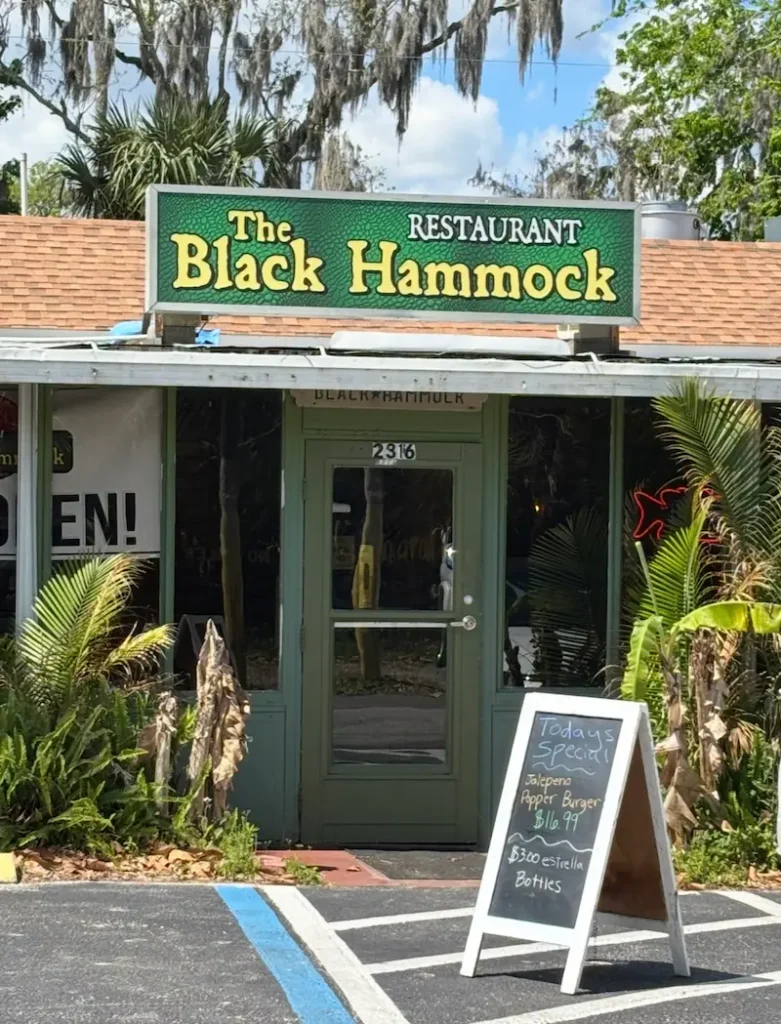
Along the way we visited a few antique stores that carried his paintings on consignment. In one of them, his work had already been sold out. The proprietors spoke of him with genuine affection — a local legend, a living tradition, complete with its own myth and lore.
But the place he most wanted to show us was the water. It was one of his favorite places to paint.
Eventually, we stood on the banks of the Indian River Lagoon, where the larger story began to take shape.
Standing along the river, Mr. Sears explained how artists from Gifford and nearby Fort Pierce began painting Florida’s landscapes in the 1950s and selling them along highways and door-to-door because segregation kept them out of traditional galleries.
They loaded their paintings into their cars and traveled from town to town selling scenes of Florida’s skies, palms, rivers, and coastlines.
What began as survival became one of Florida’s most important art movements.
Mr. Sears spoke about Harold Newton, one of the artists who helped define the movement. According to him, Newton’s work revealed something powerful — a style of landscape painting emerging from Florida’s Black community that the art world had never really seen before. Those luminous sunsets, winding waterways, and leaning palms would eventually define the Highwaymen style.
And as Mr. Sears made certain to clarify that afternoon, the roots of that style trace back to Gifford.
Standing along the river, you could see the light in his eyes when he talked about it. He didn’t describe the Highwaymen like distant figures in a history book.
He spoke about them like family.
At one point in our conversation he shared that he had been battling a serious illness.
Even then his spirit remained light. His laugh was easy, and the story he cared most about — the legacy of the Highwaymen and the role Gifford played in shaping it — remained at the center of everything he talked about.
After that visit we stayed in touch. From time to time he would send updates about his paintings, the art world, and the documentary he continued to champion. Somewhere along the way our conversations became familiar enough that I started calling him Unc — short for uncle — and he seemed to accept the title with a smile.
The last time I reached out to him was to ask his opinion about a painting a friend had posted online. The piece wasn’t signed, but the style looked unmistakably familiar — the kind of landscape that carried the visual language the Highwaymen made famous.
This time, Mr. Sears didn’t answer.
Instead, his niece replied.
That’s how I learned he had passed.
Only later did I realize how rare that encounter had been. History doesn’t always arrive in grand moments. Sometimes, it makes itself known in simple conversations, with people who carry it quietly.
In the short time I knew him, Michael Sears showed me more than paintings. He opened a window into a piece of Florida history — one rooted in resilience, entrepreneurship, and the determination of artists who created their own path when the traditional art world shut them out.
The original Highwaymen painted Florida’s landscapes and sold them along highways because the gallery doors were closed to them.
Standing along the banks of the Indian River in Gifford, Michael Sears told that story with the calm certainty of someone who understood exactly where he stood inside it.
Others called him a legacy artist.
He shunned that title.
In his mind, he was exactly what those painters had always been.
A Highwayman.
Editor’s Note:
During our visit to Gifford, Pulp City Magazine recorded an extended interview with Michael Sears about the history of Gifford and the Florida Highwaymen. We hope to share that full conversation in the future, with the family’s permission, so Mr. Sears can tell that story in his own words.
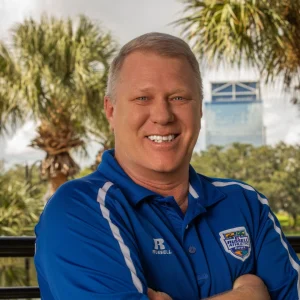
Mike Synan
News | Sports | Politics
- After two decades in news and politics, Mike Synan is returning to his roots to write Sports as “The Sportsaholic”. Mike hosted a talk show for 6 years on WDBO after Magic home games called “Magic Til Midnight”, and spent years working as an in-game correspondent for both ESPN and Fox Sports Radio. His column “Synan Says” has appeared on both www.wdbo.com and www.floridadaily.com. He has a BS in Political Science from Clemson University. You can reach him at msynan@sportsmail.com
English