What is the La-Z Boy Quartet?
About five years ago, I had a dream.
I was walking through a field beside a wooded area. A woman with long dark hair was seated in a La-Z-Boy recliner. The chair floated a few inches above the ground. She looked at me and said, “Follow me.”
The chair glided along a narrow path through the trees. We emerged into a clearing. A vast field opened before us, and I could hear a low electrical hum—something like synthesized music hovering in the air. She pointed outward.
“There are 100 La-Z-Boys.”
They were arranged like an orchestra. The sound was lush, steady, immersive—something between a power grid and Jan Hammer’s Miami Vice theme. It was strangely beautiful.
I woke up wondering if it was possible.
A friend later suggested: start with a quartet.
The dream did not arrive without context.
My mother passed away in 2017. She lived in East Orlando. When I visited, I would stay overnight. She and my stepfather had matching La-Z-Boy recliners. About a year before she died, she bought one with massage capabilities.
One night after they went to bed, I sat in the chair and turned on the vibration settings. I began experimenting with its sound. The low hum felt less like furniture and more like potential. I remember thinking: This could exist in a club.
On a later visit, I brought an amplifier and a microphone. I tried to capture the sound. It didn’t work. The motor was internal; the sound dispersed. Friends suggested contact microphones—devices designed to amplify vibration rather than sound.
That changed everything.
The La-Z-Boy became an instrument.
When I saw the call for artists for the Immerse Festival, it felt like the right place to try this publicly. The project might sound gimmicky at first, but so did Sonic Youth using power tools. So did John Cage’s prepared pianos with screws and rubber.
I thought of La Monte Young’s Dream House.
I visited the Dream House about a year and a half ago. It’s an art installation that is mostly sound and light. The tones there are constant, immersive, meditative. When the La-Z-Boy motors are amplified through contact mics, they create something similar—a steady drone that invites you to listen inside the sound rather than at it.
I began reaching out to musicians who would understand and appreciate that.
Not musicians who would ask why.
Dan Reaves was the first call. We played together in the Rot Guts. He has a history of building sonic gadgets and embracing experimentation without flinching.
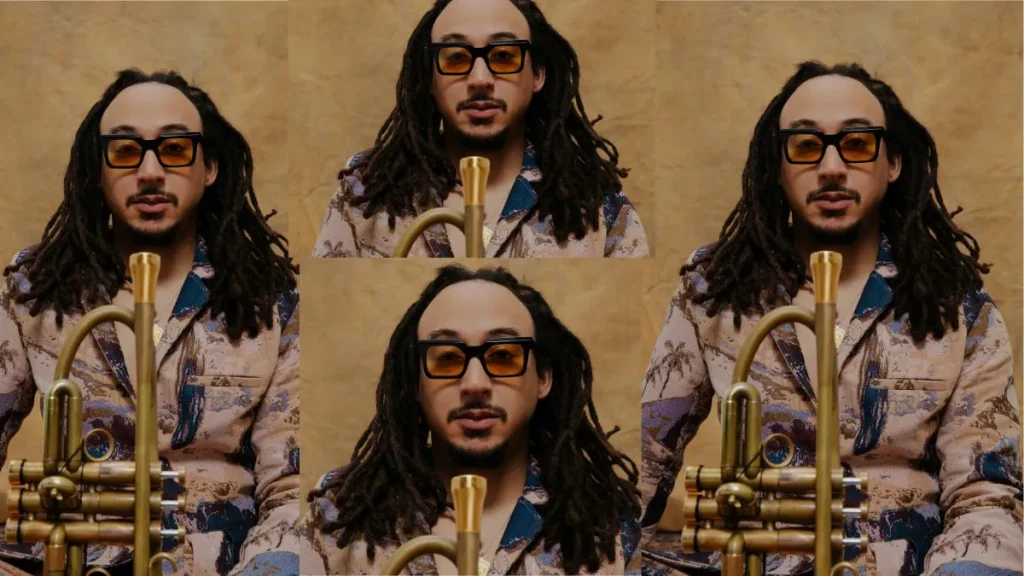
Chris Cogburn, a drummer based in Mexico City and longtime curator and organizer of Austin’s No Idea Festival, agreed to join. Violinist Mike Khoury is traveling from Detroit. He runs Entropy Stereo, both a jazz label and an intimate venue on Six Mile Road.
Local musicians include bassist and composer Thomas Milovac, who will bring a graphic score for one of the sets, and guitarist Jonas Van den Bossche, who hosts house shows with his partner, artist and musician Rachel Kinbar, under the name At the Dining Room. For the final two Saturday sets, multi-instrumentalist flora flora will join.
Matt Kamm will be doing sound, and possibly making some noise.
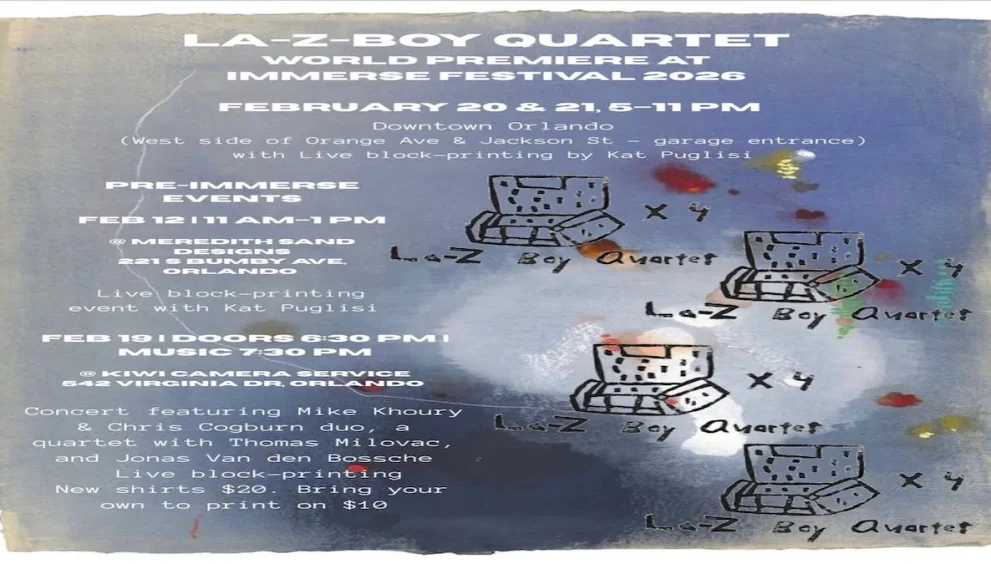
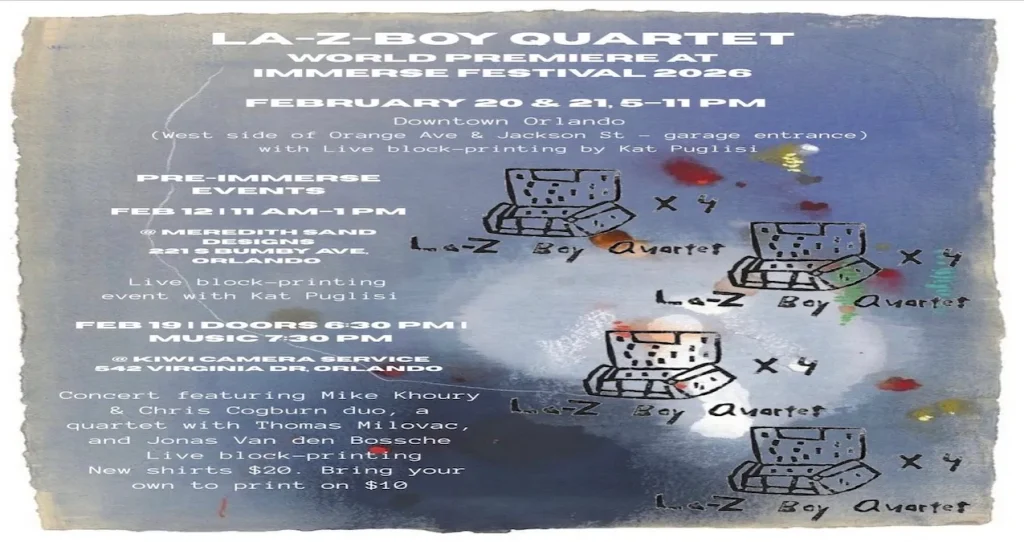
Before Immerse, there will be a smaller gathering sponsored by Matt Gorney and the Civic Minded 5 at Kiwi Camera Service, owned by Michael Livera. Chris and Mike will begin as a duo. Thomas and Jonas will join them, forming a quartet. I have been one of the Civic Minded 5 since the mid-90s.
Kat Puglisi will be live block-printing our logo onto shirts and garments.
But the real test will be at Immerse.
The La-Z-Boy Quartet will perform inside the entrance of a parking garage on Orange, between Jackson and Church. The motors will hum through contact microphones and amplifiers. Two chairs will be played. Two will be available for audience members to sit in.
The sound is steady. Electric. Meditative.
It may look absurd at first: four recliners wired like laboratory specimens. But when the tones lock in with violin, percussion, bass, and guitar, something shifts. The chair stops being furniture. It becomes a resonance.
I still dream of the hundred-chair orchestra.
A field of humming recliners.
Not as spectacle.
As possibility.
Don’t Just Read It. Live It.
Get the latest stories, rankings, and culture from Pulp City delivered straight to your inbox.
Author
-
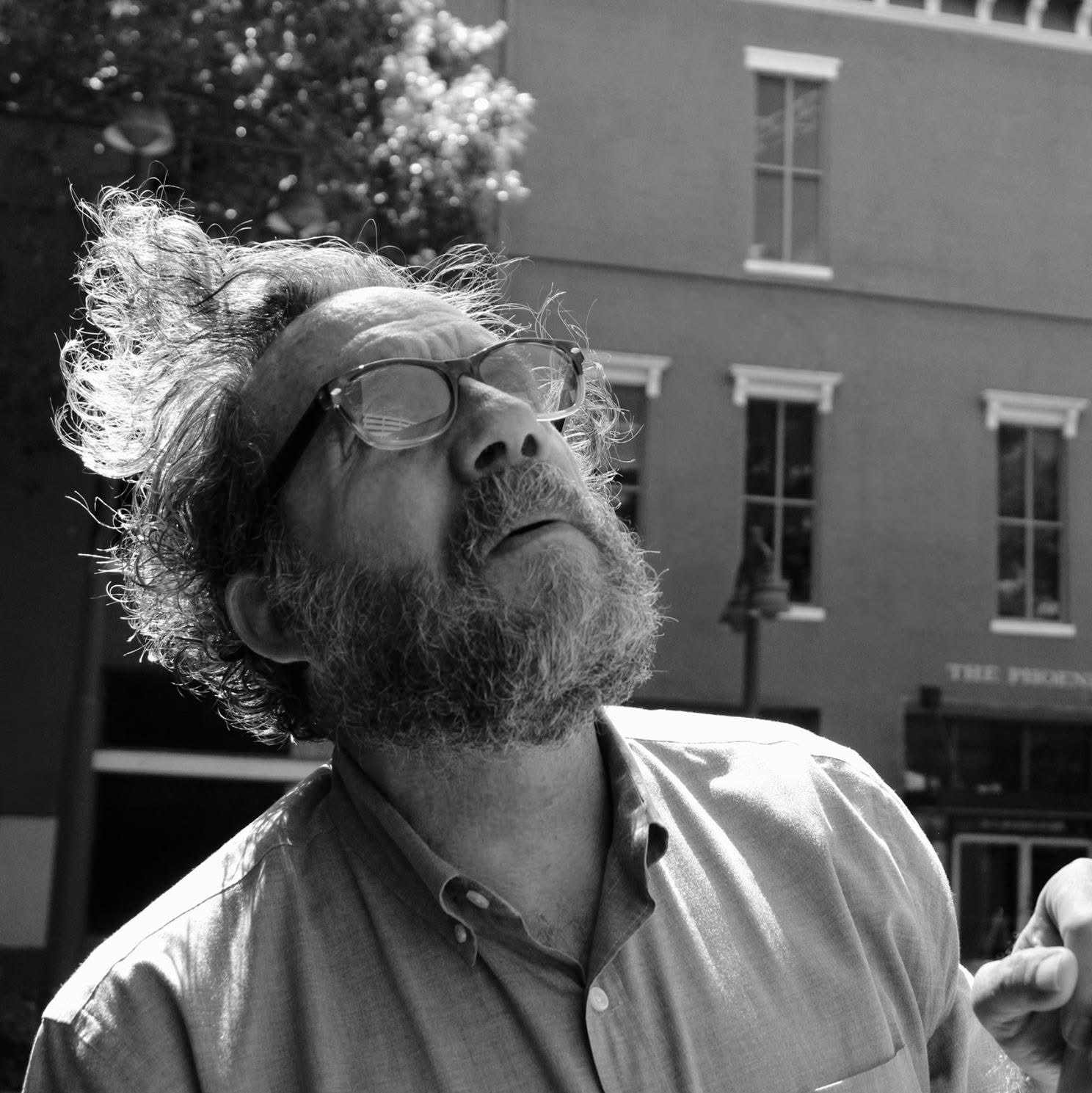
Pat Greene is a curator, artist, writer, and community organizer.
He is the founder, director, and curator of the Corridor Project.
The Corridor Art Trail is currently under contract with the City of Orlando
He is the former Arts and Culture writer for Bungalower, an Orlando based publication.
He was the Gallery Director and Curator at the Gallery at Avalon Island from 2013 to 2018. He has been curating and organizing pop-up events under The Corridor Project since 2012. The City of Orlando commissioned The Corridor Project to put art on the bicycle paths. Greene has done residencies at the Atlantic Center for the Arts (New Smyrna Beach), Q21 at the Museumsquartier (Vienna, Austria), and Monochrom Residency (Anger, Austria). He has been a visiting artist and lecturer at Bemis Contemporary Art Center (Omaha), the University of Florida, the Cherokee Reservation (Cherokee, North Carolina), and others. Pat Greene had a jazz radio show on WPRK at Rollins College from 1999- 2012. He has been published in several publications, including Orlando Weekly, Detroit Metro Times, The Brooklyn Rail, The Daily Serving, Ink 19, and Atomic Ranch.
English