














Welcome to Pulp City Magazine. Worldwide + Local AF.

Fresh stories, bold voices, and creative energy. Here’s your sneak peek before we launch the full site.

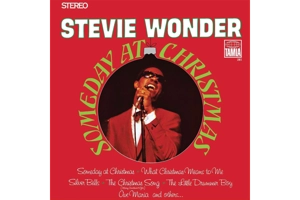
Album cover of Stevie Wonder’s “Someday at Christmas,” a landmark soul Christmas album released in 1967
Original album cover of Stevie Wonder's Someday at Christmas, representing Soul and R&B Christmas classics.

Beyond Mariah: 20 Essential Christmas Albums That Helped Shape The Season
Despite its ultra-commercialization, Christmas and its music have always had this rare ability to reach across cultures and generations, political divides and diasporas, and for just a moment, unite people who, on the surface, seem to have very little in common.


Across genres, artists have made Christmas records that carried real perspective: reflections of the era they lived in, the struggles they navigated, and the traditions they honored. These albums weren’t designed to blend into the background. They carried the weight of struggle, a yearning for home, and the hope for a better future. 


This is not a “Best Of” list, but rather, a collection of Christmas albums that cut through the commercial shuffle. They come from essential voices, carrying messages that are equally essential and, in some ways, more important now than ever.


These records are rooted in soul, gospel, jazz, salsa, folk, reggae, and choral tradition — records that held meaning long before streaming opened the floodgates. They show how many different ways the season can sound, and how each version reveals something about the people who shaped it.


In a climate where everything feels fractured, these albums offer a different kind of reminder: that the season’s spirit has always been bigger than its commercialization. It’s lived in the voices, histories, and communities that carried these songs into the world — and still do so for them now.


Soul, Pop & R&B Classics

Many of these albums are remembered for individual songs, but their deeper meaning lives in the households and traditions that carried them year after year.

  1. Stevie Wonder — Someday at Christmas (1967)
    Stevie released this album during one of the most turbulent periods in American history — the Vietnam War, the Civil Rights Movement, and a nation confronting its own contradictions. Instead of leaning solely on holiday standards, he offered original material rooted in hope, social awareness, and the belief that music could soften the edges of a fractured country. The title track became both a Christmas hymn and a quiet protest, a plea for peace from an artist who saw beyond the moment. The album remains a reminder that December can carry both joy and longing, and that sometimes the season’s light comes from those determined to imagine something better.
    Start With: “Someday at Christmas”
  1. Phil Spector — A Christmas Gift for You (1963)
    Released on the same day the nation was shaken by the assassination of President John F. Kennedy, this album entered the world under a heavy shadow — yet it went on to redefine the sound of American Christmas music. Phil Spector’s personal legacy is marred by violence and the crimes for which he was convicted. But the album’s cultural power comes from the artists who gave it life: Darlene Love, The Ronettes, The Crystals, and Bob B. Soxx & The Blue Jeans. Their voices — especially the Black and Brown women often sidelined in that era — turned these recordings into seasonal staples that outgrew their producer. The Wall of Sound created a cinematic warmth that reshaped how December could feel, big enough to fill a living room and intimate enough to feel personal. It’s a complicated cultural artifact, but its impact on the American holiday soundtrack is undeniable.
    Start With: “Christmas (Baby Please Come Home)”
  1. The Temptations — Give Love at Christmas (1980)
    By 1980, Black American Christmas traditions had developed into a rich blend of church influence, family ritual, and the unmistakable smoothness of Motown — and The Temptations carried all of that into this album. Even as the group navigated lineup shifts and evolving musical tastes, their harmonies remained a steady force, offering comfort in a rapidly changing era. The album feels like a December gathering where voices rise, cousins joke, and warmth moves through the house the way good food moves through a kitchen. It stands as one of the clearest expressions of how Black families shaped their own holiday soundtrack long before playlists and social feeds.
    Start With: “Give Love on Christmas Day”
  1. Smokey Robinson & The Miracles — The Season for Miracles (1970) Released at the dawn of a new decade, this album arrived during a time when soul music was expanding emotionally and culturally. Smokey’s gentle voice brought reassurance to listeners who had lived through a turbulent stretch in American life, offering songs that felt like a breath released after years of holding it in. There’s an intimacy to the album — a feeling of being pulled closer — that mirrors the quiet moments of December nights spent around people who make you feel steady. It remains a testament to how soul music could turn holiday traditions into something tender, grounded, and deeply human. Start With: “Peace on Earth”

Jazz & Swing: Modernizing the Classics

These records quietly changed how the season could sound without breaking from tradition.

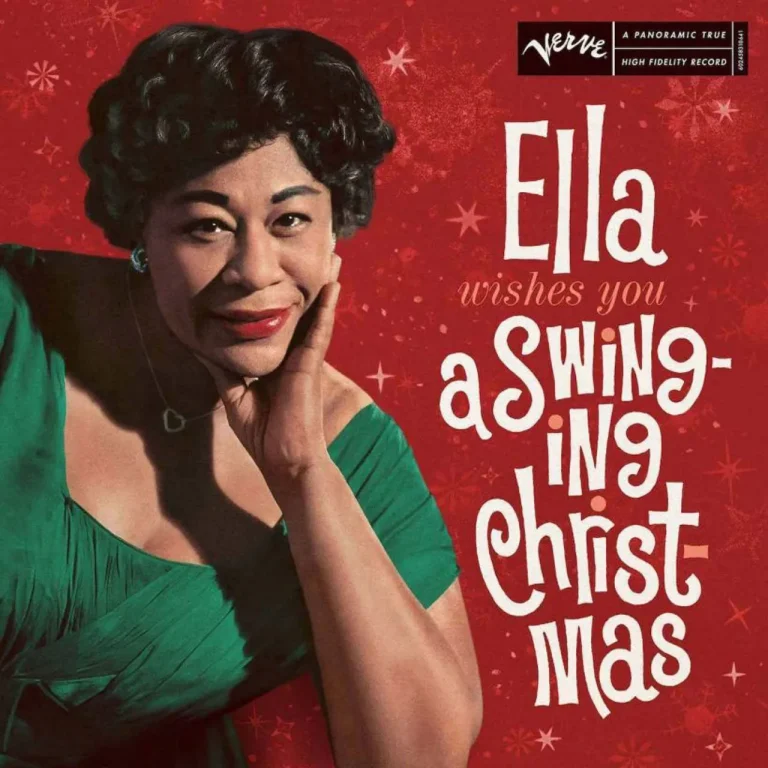
Vintage album art for Ella Wishes You a Swinging Christmas by Ella Fitzgerald, featuring Jazz and Swing holiday music
  1. Ella Fitzgerald — Ella Wishes You a Swinging Christmas (1960)
    Ella Fitzgerald didn’t modernize Christmas music by reinventing it — she did it by swinging it. When this album arrived, Christmas music mostly lived in a narrow lane. It was formal, tidy, and tied to an image of the season that hadn’t changed much in years. 

Ella stepped into that landscape and did something simple but quietly groundbreaking: she made a Christmas record that moved with the same ease and swing she brought to the rest of her work.

No one had really heard the season presented like this before. It wasn’t stiff or overly grand, or trapped in tradition — it was warm, stylish, and alive. It reflected a country entering a new decade, where the old rules were loosening, and new voices were shaping the culture.

This album showed that Christmas didn’t have to sound only one way. It could carry flair, confidence, and a broader sense of who was part of the celebration.


And all Ella had to do was show up and be Ella.
Start With: Medley: We Three Kings of Orient Are/O Little Town of Bethlehem
  1. Vince Guaraldi Trio — A Charlie Brown Christmas (1965)
    Arriving in the middle of the 1960s, when television was becoming the new American hearth, Guaraldi’s score quietly changed how families experienced Christmas. The trio’s gentle swing and understated melancholy matched a decade wrestling with change while still clinging to familiar traditions. Guaraldi wasn’t trying to reinvent jazz — he was giving children and adults a shared emotional language for the season. The music has endured because it feels like December itself: tender, reflective, and softly lit, the sounds you hear when the world slows down.
    Start With: “Christmas Time Is Here”
  1. Duke Ellington — The Nutcracker Suite (1960)
    Ellington and Billy Strayhorn released their reimagining of Tchaikovsky’s classic at a time when jazz orchestras were finding new ways to stay inventive and relevant. Their interpretation transformed a beloved holiday ballet into something rich with swing-era sophistication, proving that tradition and innovation could share the same stage. The arrangement reflects Ellington’s belief that American music should be expansive enough to carry global stories while retaining its own voice. It remains a December favorite because it bridges worlds — classical and jazz, old Europe and modern America — without ever losing its sense of playful elegance.
    Start With: “Dance of the Sugar Plum Fairy”

Gospel: The Source of Strength

Gospel music was the essence of Christmas music before it was ever considered a genre.

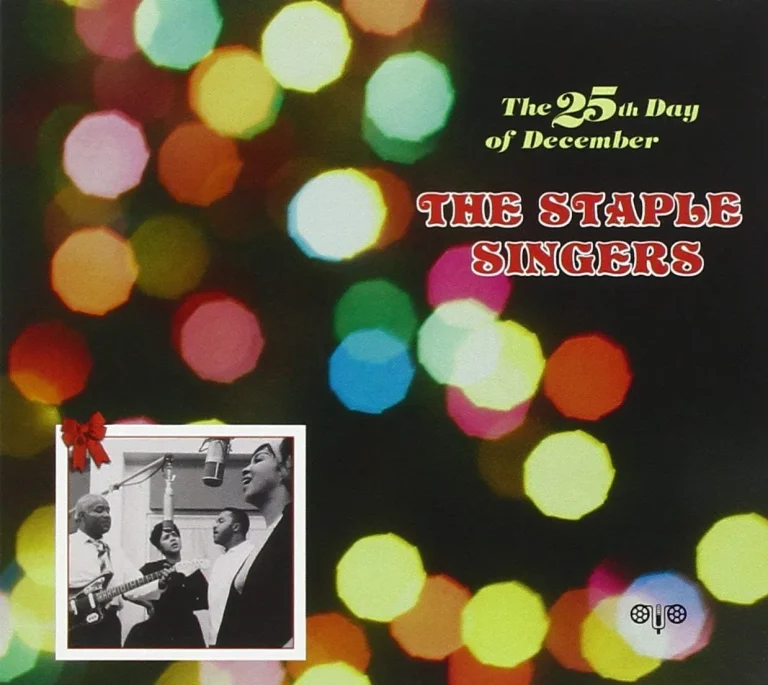
The Staple Singers The 25th Day of December album cover, showcasing Gospel Christmas music traditions.
  1. The Staple Singers — The 25th Day of December (1962)
    This album doesn’t dress Christmas up,  it roots it. The Staple Singers carried gospel from the Delta to the national stage — a sound that would march through the ‘60s into the Civil Rights era and settle into the everyday lives of Black America. When they turned to Christmas music, they didn’t chase sparkle or sentiment. They brought the South with them. They brought the truth with them.

Pops’ guitar sounds like a front-porch prayer, and Mavis sings with the kind of conviction that doesn’t need decoration. 

The record doesn’t try to reinvent the season; it roots it. These are songs shaped by faith, by memory, by the weight and the warmth of communities that held each other up long before holiday charts existed.
Start With: “Who Took the Merry Out of Christmas”

  1. Mahalia Jackson — Silent Night: Songs for Christmas (1962) In the early 1960s, as the Civil Rights Movement was gaining momentum and Black America was calling on the nation to honor its promises, Mahalia Jackson’s voice was a spiritual anchor for millions. This album arrived at a time when her singing was both a source of comfort and a quiet kind of courage, offering peace without ignoring the realities people were facing. Her interpretations turn familiar hymns into personal declarations of faith, the kind that settle a home on a cold December night. The album endures because Mahalia didn’t perform Christmas music — she embodied it, giving the season a depth that reached far beyond tradition. Start With: “Silent Night”

Salsa, Reggae, & Latin Diaspora

These albums didn’t exist apart from tradition — they are extensions of cultures that migrated, adapted, and stayed intact across borders.

  1. José Feliciano — Feliz Navidad (1970)
    Few Christmas songs have traveled farther, or carried more of their culture with them, than “Feliz Navidad.” The Latin diaspora was expanding across the U.S., as the 70s began, carrying traditions that blended ancestral memory with the texture of a new home. Feliciano recorded it during a period of rising cross-cultural visibility for Latino artists, and his approach honored both Puerto Rican heritage and the bilingual reality so many families lived every day. The title track became an unexpected bridge — simple, direct, instantly familiar — the kind of song you’d hear drifting from open windows as December lights flickered across neighborhoods. Beyond its global popularity, the album stands as a reminder of how holiday music can travel, adapt, and still hold tight to its origins.
    Start With: “Las Posadas”
  1. Celia Cruz — ¡Celia Cruz les desea Feliz Navidad! (1990)
    By 1990, Celia Cruz was already a towering figure in Afro-Caribbean music, and this album captured her ability to fold tradition, memory, and celebration into a single breath. Released during a time when Latin sounds were breaking into broader American consciousness, she approached these holiday songs with the same authority she brought to every stage — honoring Cuban rhythms while embracing the diaspora scattered across cities from Miami to New York. The record feels like a December gathering where elders swap stories, kids run through living rooms, and the music holds the room together.
    Start With: “Eterna Navidad”
  1. Jacob Miller & Inner Circle — Natty Christmas (1978)
    Recorded in 1978, during a period when reggae was carving out global influence, this album offered a Jamaican take on the holiday that felt both playful and grounded. Miller and Inner Circle used familiar melodies as raw material, reshaping them through the island’s humor, spirituality, and easy-going tempo. You can almost picture a Kingston yard at dusk — lights strung loosely, friends drifting in, the evening settling with its own warm December breeze.
    Start With: “Wish You a Merry Christmas”
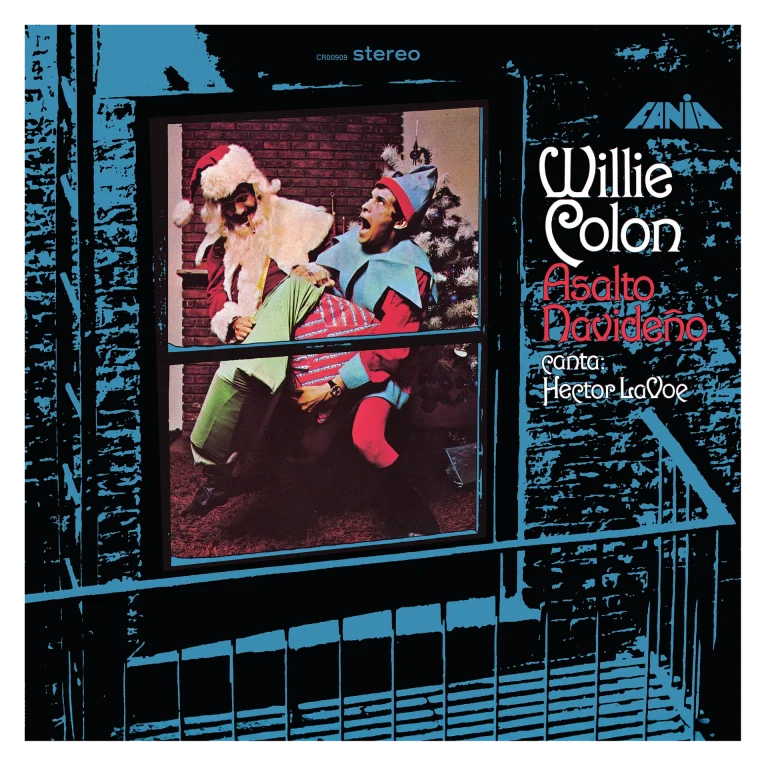
Album art for Asalto Navideño, the essential 1970 Salsa Christmas album by Willie Colón and Héctor Lavoe.
  1. Héctor Lavoe, Willie Colón & Yomo Toro — Asalto Navideño, Vol. 1 (1971) In 1971, at the height of New York’s salsa explosion, this album brought Puerto Rican holiday traditions into the heart of the city’s Latin renaissance. Lavoe’s voice, Colón’s band leading, and Yomo Toro’s cuatro created a sound that felt like a Nuyorican December — crowded apartments, street-level celebration, and a community keeping its island roots alive in the cold. The record drew on parranda, a holiday tradition similar to Christmas caroling, in which a group called a trulla shows up unannounced at a friend’s or family’s house to play music and celebrate, turning Christmas into something lively, collective, and unmistakably Puerto Rican. Start With: “La Murga”

Folk & Americana: Honest Storytelling

These records don’t treat Christmas as a pause — they let it live inside the same stories people were already telling.

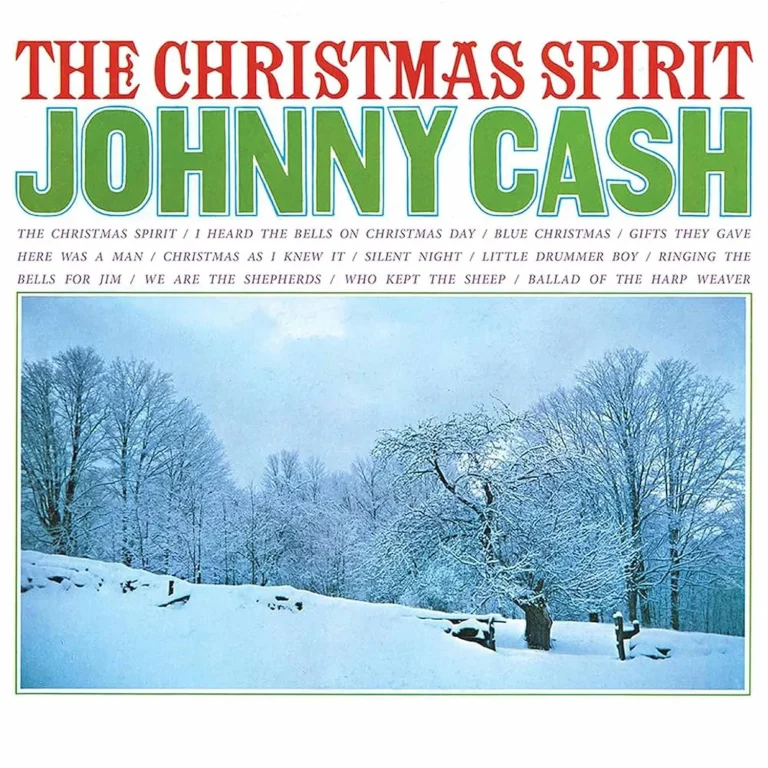
The Christmas Spirit by Johnny Cash album art, representing Folk and Americana Christmas storytelling.
  1. Johnny Cash — The Christmas Spirit (1963)
    Released in 1963, when American folk storytelling was weaving its way into the country’s mainstream consciousness, Johnny Cash approached this holiday album with the same gravity he brought to his portraits of everyday life. He blended seasonal reflections with the plainspoken sincerity that made his work resonate far beyond genre lines. The album feels like a December pause along a long stretch of highway — a moment to look inward, to measure the year, to sit with hope and hardship at the same table. Cash wasn’t interested in spectacle; he was tracing the emotional truth of the season the way working people understood it. Its meaning endures because he treated Christmas as another chapter in the larger American story he’d been telling all along.

    Start With: “The Christmas Spirit”
  1. Willie Nelson — Pretty Paper (1979)

    By the time this album was released, Willie Nelson had already become a defining voice of American songwriting, and it captured him at a moment when country music was stretching into new cultural spaces. He approached the holiday bringing character and empathy, lifting up the overlooked figures who linger at the edges of December cheer. The title track’s


    “Lone street vendor”, inspired by a real man Nelson once saw, embodies the blend of generosity and sorrow that marks so many holiday memories. The album moves with an easy, lived-in warmth, the kind that feels like a porch conversation at dusk. Its lasting weight comes from Nelson’s ability to turn simple scenes into reminders of the humanity shared across the season.
    Start With: “Pretty Paper”
  1. Emmylou Harris — Light of the Stable (1979) When Emmylou Harris recorded Light of the Stable, she was at the center of a movement reshaping American roots music — a moment when country, folk, and gospel were beginning to overlap in new, expressive ways. What makes this album historic isn’t just Emmylou’s voice; it’s the circle of artists who stepped into the room with her. Dolly Parton, Linda Ronstadt, and Neil Young — each already shaping the sound of a generation — lent harmonies that turned the project into a quiet summit of American songwriting. Rather than chase holiday bombast, they built something intimate: a record shaped by friendship, shared tradition, and a kind of musical trust that can’t be faked. It feels like a gathering of artists who understood that simplicity can carry more emotional weight than spectacle. The album endures because it captures a rare moment when some of the greatest voices of their era came together not to perform for the season, but to honor it. Start With: “Light of the Stable”

Indie & Alt: The Introspective Holiday

These records stay close to the season and leave room for quiet.

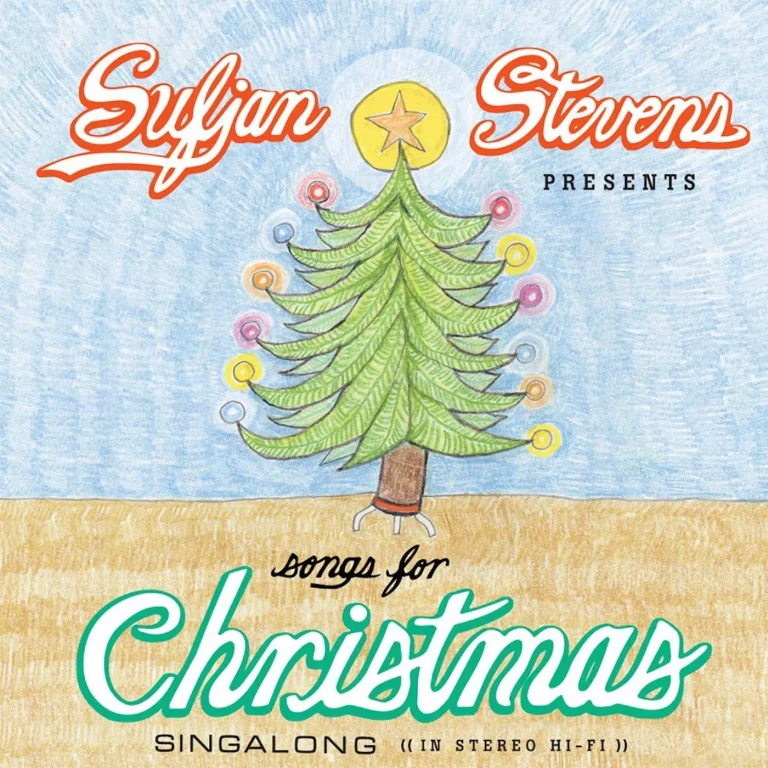
Sufjan Stevens Songs for Christmas box set artwork, representing Indie and Alternative holiday music.
  1. Sufjan Stevens — Songs for Christmas (2006)
    In 2006, when indie artists were gravitating toward music that felt handmade and close to home, Sufjan Stevens gathered years of private holiday recordings that had started as small annual gifts for friends and turned them into a single release — five discs’ worth of songs, sketches, and quiet experiments. The collection is like a December spent among familiar things, paper ornaments, handwritten notes, and the small traditions that settle in when the world slows down a little. Stevens let questions of faith, warmth, and uncertainty all sit in the space, never forcing resolution. The result is a holiday record that meets listeners where they are, making room for both tradition and reflection.
    Start With: “Sister Winter”
  1. Low — Christmas (1999)
    This Christmas refused to raise its voice. When Low released this EP in 1999, indie rock was in a moment of transition — the noise and intensity of earlier years giving way to something quieter and more introspective. Low leaned into that shift. They took familiar songs and original ideas and approached them with a kind of patience that wasn’t common in holiday music at the time. Nothing here is hurried or oversized. The band let the quiet do the work, offering a version of the season that felt honest in a different way — less about celebration, more about the stillness that December can hold.
    Start With: “Just Like Christmas”

Choral & Traditional: The Enduring Ritual

This is the sound Christmas has returned to, generation after generation.

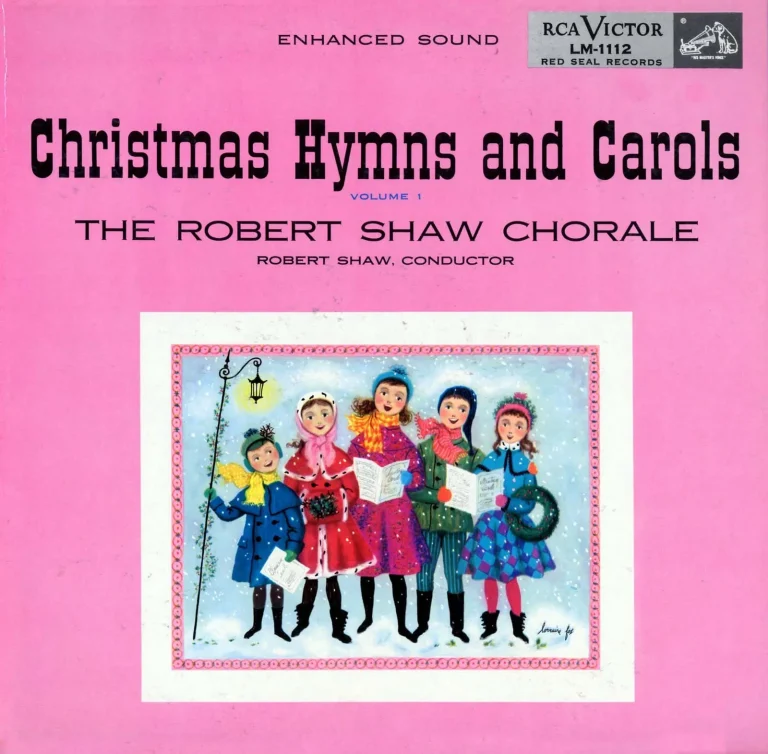
Classic album cover for Robert Shaw Chorale's Christmas Hymns and Carols, representing traditional choral music
  1. Robert Shaw Chorale — Christmas Hymns & Carols (1954)
    Across the 1950s and ’60s, these recordings introduced generations of listeners to the sound of traditional Christmas music at a time when many families were hearing these carols in their homes for the first time. The Robert Shaw Chorale became one of the groups that defined how these hymns would live in American memory — steady, clear, and rooted in long-held tradition. The album doesn’t ask for attention; it simply offers the familiar in a way that feels grounded. It’s the sound of people reconnecting with something old and unwavering, something that had been part of the season long before the commercial rush.
    Start With: “O Come, O Come, Emmanuel”
  1. King’s College Choir, Cambridge — 100 Years of Nine Lessons and Carols (2018)
    This long-running broadcast grew into one of the most recognized Christmas Eve traditions in the English-speaking world. Families would tune in year after year, letting the readings and carols mark the start of the holiday. The choir became known for presenting the season with a sense of calm tradition — not dramatic or fancy, just simple and sincere. For many listeners, it served as a quiet anchor at the end of the year.This recording is a compilation drawn from broadcasts and performances spanning decades.
    Start With: “The Holly and the Ivy”

This collection of twenty albums is not so much the soundtrack of the season you must hear, but a collection of stories that have helped the season endure. Through migration, through faith, through living rooms, church pews, and crowded apartments, these are records that held the season together when everything else felt uncertain.


The stories they tell — some new, some familiar — were, in their own way, gifts that strangely and beautifully connect us all, no matter where we are.   

Picture of Dom Major

Dom Major

Pulp City Mag Founder | Culture | Music

1 Comment

  1. […] Beyond Mariah: 20 Essential Christmas Albums That Helped Shape The Season. […]

Leave a comment

Don’t Just Read It. Live It.

Get the latest stories, rankings, and culture from Pulp City delivered straight to your inbox.